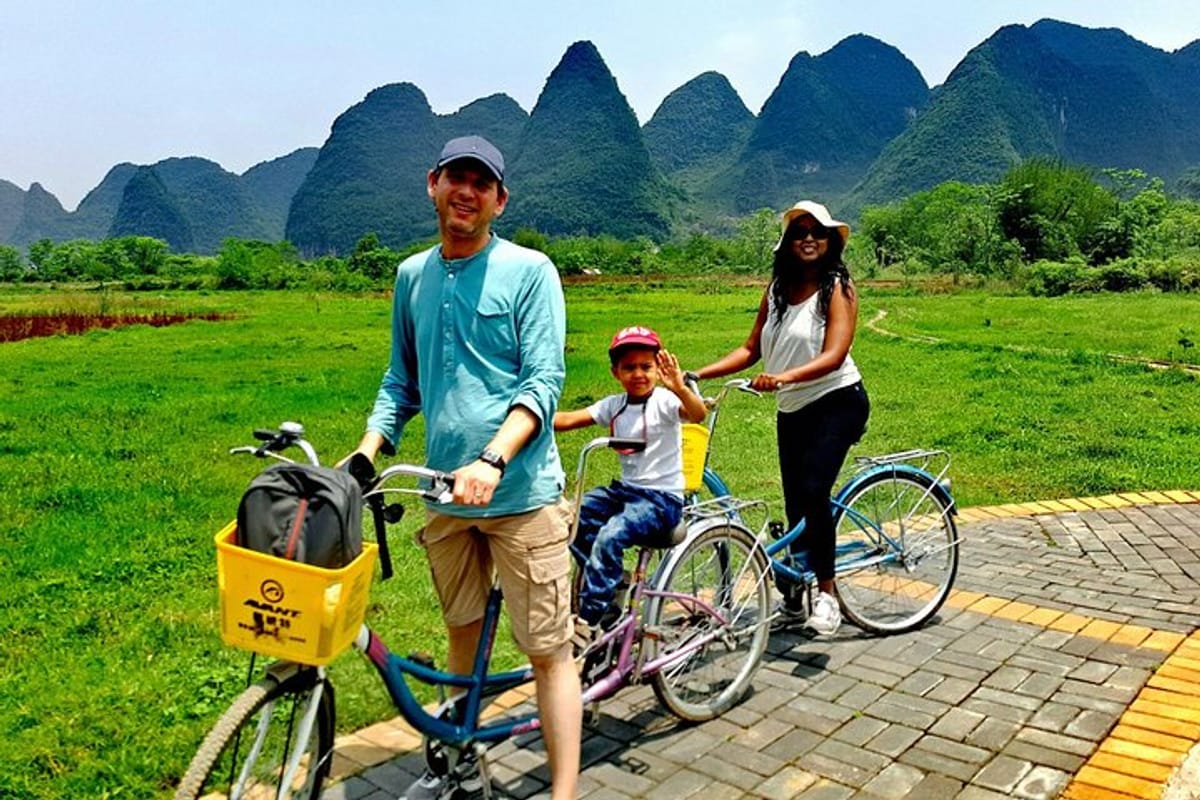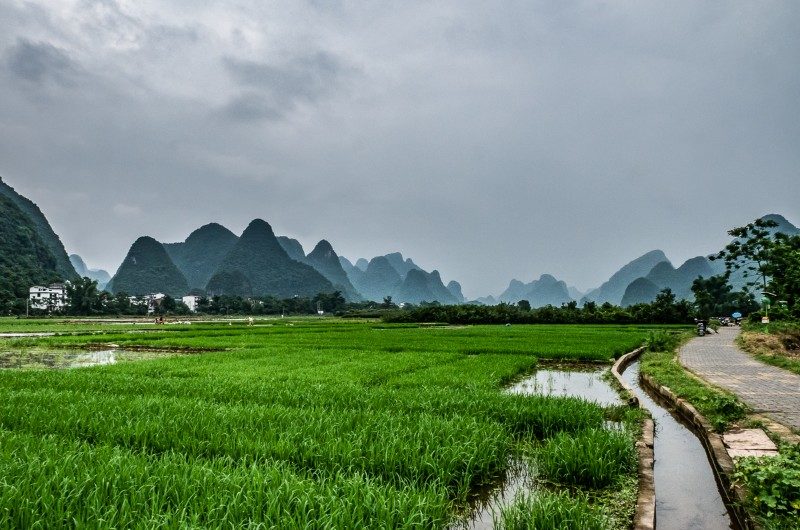
I grew up in Yangshuo, watching this small market town transform from a quiet riverside community where everyone knew each other into one of China’s biggest domestic tourism destinations. My grandmother used to sell oranges at the West Street market. Now that same corner has a Starbucks. And a Dairy Queen.
I’m not saying that’s bad—Yangshuo needed economic development, and tourism brought prosperity to families who were subsistence rice farmers twenty years ago. But something got lost in the transformation, and if you’ve been visiting Yangshuo for any length of time, you’ve felt it too.
When I started working as a guide at Yangshuo Mountain Retreat in 2015, there were still dozens of small, family-run guesthouses where you’d meet the owner’s grandmother at breakfast, where staff would remember your name when you came back the next year, where the cook would ask if you liked spicy food and adjust the chili level just for you. Almost all of those places are gone now.
Not because they failed, but the families running them got tired, got older, or got better offers. It’s easier to rent your building to an outsider and collect monthly income, than to work sixteen-hour days learning English, managing bookings, and fixing broken toilets in the middle of the night.
I don’t blame them. Running a guesthouse is exhausting. But I miss what those places offered: the feeling that someone actually cared whether you enjoyed Yangshuo, not because it was their job, but because you were staying in their home.
There are four places left in Yangshuo that still operate that way. They’re all different—different locations, personalities, and styles, but they share something increasingly rare: they’re run by people who are personally invested in your experience because this is their life’s work, their family business, their reputation.
If you want to understand what Yangshuo homestays used to feel like, before “boutique minsu” became a marketing term that every hotel uses—these four are definitely worth a stay. Not because everything else is bad, but because these four are different in ways that matter.
What Makes a Homestay Feel Different?
I’ve led hundreds of tour groups through Yangshuo over the past decade. I’ve stayed at dozens of hotels, guesthouses, hostels, and “minsu” (民宿 – homestays) across town.
The difference between a family-run place and a professionally managed hotel isn’t about cleanliness or amenities or even price, it’s about whether the people serving you actually care. At a professionally managed hotel, staff are trained to smile, to be helpful, to follow procedures. Hopefully, they’re good at their jobs. But when the shift ends, they go home. The guests are not their problem anymore.
At a family-run place, the owner lives there. The staff are often family members or neighbors who’ve worked there for years. When you ask for restaurant recommendations, they’re sending you to their cousin’s noodle shop or the place their family has eaten at for thirty years. When something goes wrong, they fix it immediately because it’s their their home, reputation, and family business. You’re not a transaction. You’re a guest in their house. That’s what these four places still offer.
The Four That Are Still Family-Run
1. Yangshuo Village Inn — The Original at Moon Hill
Location: #26 Li Cun, Moon Hill Village, 8km (15 minutes) from Yangshuo town, 5 minutes from the Guilin highway entrance
Run by: Gloria and Little Fish (Yu family sisters, local to the area)
Since: 2008
Rooms: 13 total (8 in main building, 5 in restored mud brick Farmhouse)
I’ve known Gloria and Little Fish for almost 20 years. They’re from nearby villages, and they run the Village Inn the way their families would run it—with warmth, attention to detail, and genuine care.
What makes Village Inn different isn’t the awards (though they’ve won 10 TripAdvisor Traveler’s Choice Awards) or the location (though Moon Hill is stunning). It’s that the Yu family still lives next door.
When you check in, you’re not meeting a front desk clerk reading from a training manual. You’re meeting Gloria or Little Fish, and they’ll remember you when you come back, even years later. The breakfast fruit come from the pomelo grove at the entrance, or a neighbor’s orchard—fruit the family has been harvesting for generations. The complimentary tea snacks are things they pick, dry, or make themselves.
The Village Inn also does something most family-run places couldn’t manage: they innovated. They built a cooking school. They created a rooftop restaurant (Luna) that serves very nice Italian food alongside local specialties. They adapted to changing tourism without losing their family-run character.
That’s rare. Most small guesthouses either stayed stuck in the 2000s cheap Western backpacker model and failed, or sold out to outsiders. Village Inn found a third path.
What guests notice:
- Staff remember you and mention you by name in conversations
- Eco-friendly touches (solar water heating, local food sourcing) that feel genuine
- Gloria and Little Fish personally help plan activities and give local advice
- The mud brick Farmhouse is the last one preserved in Moon Hill Village
- Rooftop dining with Moon Hill views and Italian food trained by two Italian chefs over the years
- Cooking classes that teach actual family recipes
Best for: Families, couples, anyone who wants a peaceful countryside base near Moon Hill with personal service and local character.
2. Eden Inn — The Multilingual Village Escape
Location: Chaolong Village, 6km outside Yangshuo town
Run by: Eric and Sammie (now with newer management team, but maintaining the same approach)
Rooms: Small-scale village guesthouse
Eden Inn is tucked into Chaolong Village, far enough from West Street that you feel like you’ve escaped Yangshuo’s crowds entirely. The Yulong River is an 8-minute walk away. The village around it is still quiet, still agricultural, still real.
What makes Eden Inn special is language. The owners and staff speak English, French, Spanish, Mandarin, and Cantonese—which sounds like a small thing until you realize how rare that is in Yangshuo outside of big hotels. For international travelers, especially European guests, this makes an enormous difference.
But it’s not just about language. Reviews consistently mention that the owners personally engage with guests—sitting at the bar to discuss tomorrow’s plans, recommending hidden spots, helping arrange transportation. It’s the kind of attention you get when the people running the place are genuinely invested in whether you have a good trip.
The bar is well-stocked with imported drinks. There’s a pool table, billiards, and a relaxed social atmosphere. Breakfast gets praised repeatedly as excellent. The rooms are clean, simple, and comfortable.
It’s not fancy. It’s not trying to be. It’s just a well-run village guesthouse where the people operating it actually care.
What guests notice:
- “Eric and Sammie are amazing—made my stay memorable”
- Multilingual service feels personal, not corporate
- Peaceful village location away from tourist chaos
- Owners help plan entire trips with local knowledge
- Social atmosphere—easy to meet other travelers “
- Felt like staying with friends, not a hotel”
Best for: International travelers who want English/French/Spanish-speaking hosts, peaceful village setting, and personal trip-planning help.
3. Monkey Jane’s — The Legendary Rooftop
Location: Central Yangshuo (alley behind Guihua Rd), plus riverside location at Pubutang
Run by: Jane (Yangshuo local, operating since 2004)
Style: Backpacker hostel, rooftop bar, social hub
Monkey Jane’s is… unique. Jane has been running her guesthouse since 2004—over 20 years. The rooms are basic. A bit dated. Sometimes musty. The bathrooms have pressure issues. This is not a place you stay for luxury. You stay for Jane.
She’s a Yangshuo local who somehow built a micro-tourism empire on pure personality. The rooftop bar is legendary among backpackers—cheap drinks, beer pong tournaments (Jane is reportedly undefeated), amazing karst mountain views, and a constant rotation of international travelers planning the next day’s adventures.
Jane organizes trips. She cooks family dinners for ¥20. She teaches dumpling-making. She helps with Vietnam visa logistics. She challenges guests to beer pong and creates a social atmosphere that makes solo travelers feel immediately welcome. It’s chaotic, energetic, and completely unpredictable, which is exactly why people keep coming back.
She also runs a riverside guesthouse at Pubutang (25 minutes by scooter from town) where she cooks fresh food, provides inner tubes for floating the Li River with beers, and organizes hikes to nearby waterfalls. It’s pure spontaneous hospitality that no corporate hotel would ever allow.
What guests notice:
- “Jane herself is the reason to stay here”
- Rooftop bar is the best social scene in Yangshuo
- You’ll meet travelers from six countries in one night
- Beer pong legend (seriously, this comes up in dozens of reviews)
- Rooms are basic but nobody cares—you’re here for the vibe
- “She’s invested in your experience, not just processing check-ins”
Best for: Backpackers, solo travelers, anyone who wants to meet other people and doesn’t care about fancy rooms. Also great for the Pubutang riverside escape experience.
4. Xingping Autumn Inn — The Boutique Village Charmer
Location: Xingping Ancient Town (about 25km from Yangshuo)
Run by: Rachel (local owner, excellent English)
Style: Small boutique inn in converted old house
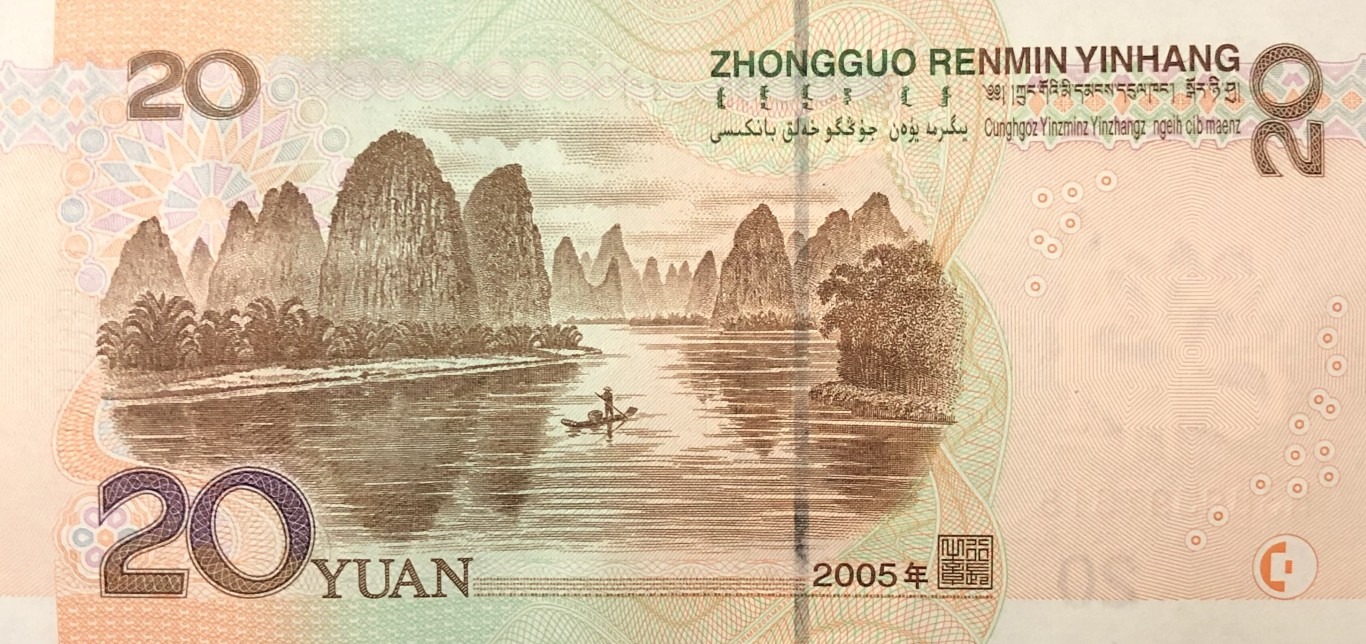
Xingping Ancient Town is quieter than Yangshuo—further from the crowds, closer to the authentic Li River scenery that photographers love (the 20 RMB note photo spot is nearby).
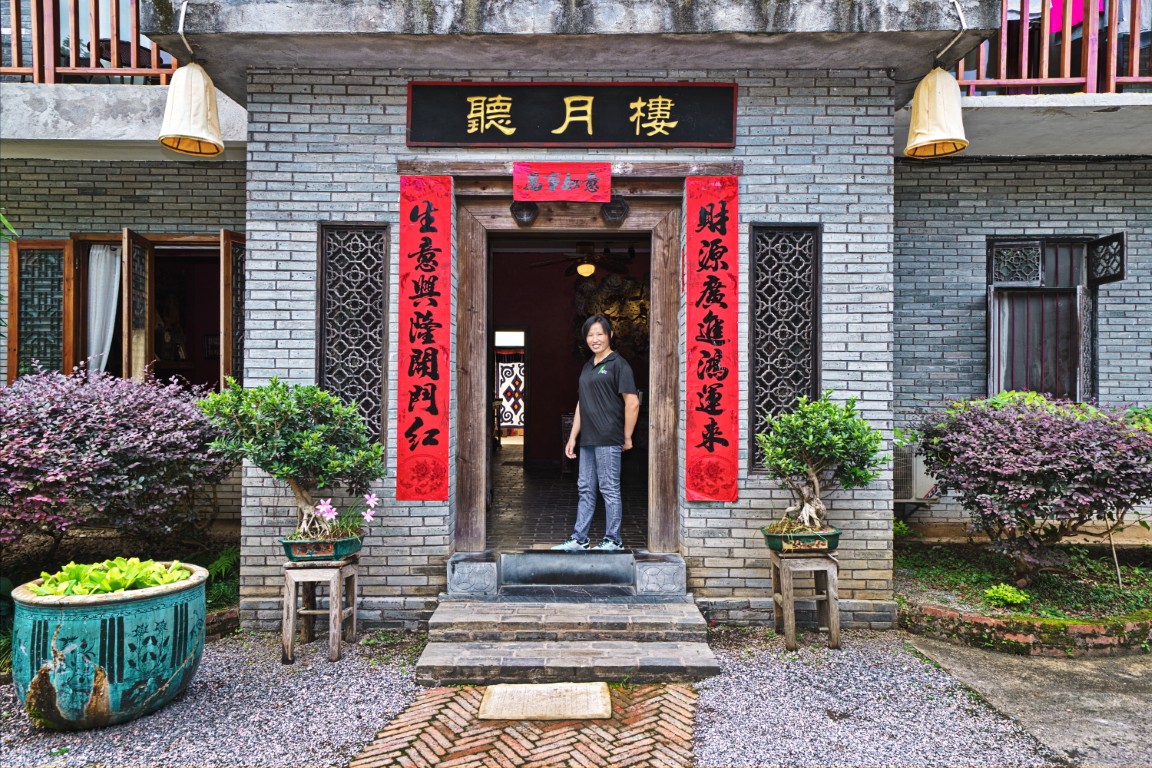
Rachel runs Autumn Inn in a beautifully restored old house on Guzhen Lu, the ancient town’s main street. It’s small, charming, and feels more like staying in someone’s carefully designed home than checking into a hotel.
What makes Rachel’s place special is hospitality done right. She speaks excellent English. She personally helps guests plan trips. She’s created a space that balances old-house character (traditional architecture, local touches) with modern comfort (good beds, clean bathrooms, excellent coffee).
Reviews repeatedly call her “the best hotel manager I’ve ever met in China” and “absolutely amazing.” Guests mention the cat (Guanjia) and dog (Zaizai) by name. They talk about Rachel upgrading rooms for free, helping with logistics, and making them feel genuinely welcome.
It’s the boutique end of family-run hospitality—small scale, owner-operated, personality-driven, but with attention to design and comfort that appeals to travelers who want charm and a good night’s sleep.
What guests notice:
- Rachel’s personal warmth and hands-on management
- Beautiful interior design in converted old house
- Quiet village setting—”skip Yangshuo, come to Xingping”
- Walkable to all Xingping scenic areas
- Cat and dog add homey atmosphere
- “Small hotel full of charm… unique place”
Best for: Couples, photographers, travelers who want boutique comfort with authentic character, anyone seeking a peaceful base in Xingping rather than busy Yangshuo.
What These Four Have in Common
After working in Yangshuo tourism for over a decade, I can tell you what separates these four from the dozens of other guesthouses I’ve visited:
The owners are present. Gloria, Little Fish, Eric, Sammie, Jane, Rachel—they’re not absentee investors collecting rent. They’re there. They know your face. They remember if you came back.
Personality matters more than perfection. These places have quirks. Village Inn’s solar water heaters mean sometimes means waiting five minutes on cold days for the water to heat up. Monkey Jane’s rooms are dated. Xingping is 25km away. But guests don’t care because the experience is what matters—and the experience is shaped by people, not amenities.
They’re integrated into their communities. Village Inn sources from neighborhood farms. Eden Inn is embedded in Chaolong Village life. Jane knows everyone. Rachel is part of Xingping’s community. They’re not tourism operations dropped onto a location—they’re of the place.
They adapted and innovated. Village Inn added cooking school and mastered Chinese social media. Eden Inn went multilingual when most places stayed Mandarin-only. Monkey Jane built a legendary rooftop bar. Rachel created boutique charm in a quiet ancient town. They didn’t just copy what everyone else was doing—they found their own path.
Why Family-Run Places Are Disappearing
I need to be honest about something: most family-run guesthouses in Yangshuo are gone not because they failed, but because running one is exhausting and often not worth the effort.
You’re competing against hundreds of other places, who are mostly run by urban Han Chinese who are typically more sophisticated about business and tech. You need to learn English, master booking platforms, handle marketing, manage staff, fix maintenance issues, deal with difficult guests, and work basically every day with no real time off.
Meanwhile, outsiders will offer to rent your building for guaranteed monthly income. No stress or midnight emergencies. No learning how to use Ctrip or Xiaohongshu. Just steady money. For a family that’s been farming rice for generations, that’s not selling out—that’s smart economics.
And the hotels that replaced them aren’t necessarily bad. Many are well-run, professional, clean, and offer good service. They provide jobs. They bring tourism income to the region. What they don’t offer—what they mostly can’t offer, is the personal connection that comes from staying with people who genuinely care because it’s their family’s reputation, their home, their life’s work. That’s what’s disappearing. Not because it’s worse. Because it’s harder.
The Changing Face of Yangshuo Tourism
When I was a kid, Yangshuo was a Western backpacker town. West Street had small family guesthouses, cheap noodle shops, and travelers from all over the world sitting on rooftops planning bike trips through rice paddies. Then Chinese domestic tourism exploded.
Suddenly there were tour buses, group tours, massive hotels, and hundreds of new “boutique minsu” operations. Investment poured in. The town got wealthier, more developed, more professional. It also got more… the same.
Walk into most “boutique minsu” today and you could be anywhere in China. Same marble lobby with uniformed staff, wearing a number on their employee badge. Same uninspired breakfast buffet. The guest rooms look great in photos but have zero personality. The owners aren’t local, they’re investors from Shenzhen or Guangzhou or Beijing who saw an opportunity and took it. The staff often don’t come from Yangshuo. The food isn’t from neighborhood farms, it’s from regional suppliers.
It’s efficient. professional and consistent. It’s also completely impersonal. You’re not staying in Yangshuo, you’re staying in a Yangshuo-themed hotel that could exist anywhere.
Why These Four Still Matter
The four guesthouses in my article represent something that’s almost extinct in Yangshuo: places where the people serving you are personally invested in whether you enjoy your stay. Not because they’re trained to care., but because they actually care.
When Gloria helps you plan a bike route through back villages, she’s sending you to places her family has known for generations, not reading from a tour company script. When Eric sits at the bar helping you figure out tomorrow’s itinerary, he’s sharing actual local knowledge, not corporate-approved recommendations. When Jane challenges you to beer pong and then cooks you dinner, she’s creating the kind of spontaneous, personality-driven experience that no hotel would ever authorize. When Rachel upgrades your room and makes you excellent coffee while her cat wanders around, you’re experiencing hospitality that comes from someone who genuinely wants you to love Xingping.
These aren’t better because they’re fancier. They’re better because they’re real. And in a town where “authentic local experience” has become meaningless marketing language, real still matters.
How Long Will They Last?
I don’t know. Gloria and Little Fish aren’t getting younger. Jane has been doing this for 22 years—that’s an incredible run, but it’s exhausting. Eric and Sammie have transitioned to a new management team. Rachel is competing against newer, shinier boutique hotels in Xingping. Economics and exhaustion eventually win.
The four places in this article survived because their owners had the energy, personality, and stubbornness to keep going when it was easier to quit. But that’s not sustainable forever. When they’re gone, I don’t know if anything will replace them that feels the same. Yangshuo will still have hundreds of hotels calling themselves “minsu.” They’ll have better marketing, more professional service, nicer lobbies, and perfectly consistent experiences. They just won’t have soul.
Worth Visiting
If you’re coming to Yangshuo and you want to understand what made this town special before it became a mass tourism destination, stay at one of these four places. Not because the others are terrible, but because these four offer something different: the feeling that someone actually cares.
You’ll get imperfect service, quirks and inconveniences. You’ll get breakfast served by someone who wants to know if you liked yesterday’s bike ride and has suggestions for today. You’ll get the thing that used to define Yangshuo hospitality: warmth. And in 2026, that’s rare enough to be worth seeking out.
How to Book
Yangshuo Village Inn
Website: yangshuoguesthouse.com
Email: reservations@yangshuoguesthouse.com
Phone: +86-773-877-8169
Location: #26 Li Cun, Moon Hill Village
Eden Inn
Search “Yangshuo Eden Inn” on major booking platforms
Location: No. 8 Chaolong Village, Yangshuo County
Monkey Jane’s Guesthouse
Search “Monkey Jane’s Yangshuo” on booking platforms
Location: Central Yangshuo, alley behind Guihua Rd
Xingping Autumn Inn
Search “Yangshuo Xingping Autumn Inn” or “Autumn Inn Xingping”
Location: Guzhen Lu, Xingping Ancient Town
For more local Yangshuo recommendations from someone who actually grew up here, check out our guides to Yangshuo outdoor adventures, Yulong River bamboo rafting, and things to do in Yangshuo.
Sabrina Mo has been a local guide at Yangshuo Mountain Retreat since 2015. She grew up in Yangshuo and has led hundreds of tour groups through the region’s villages, rivers, and mountains.
Frequently Asked Questions
What’s the difference between these homestays and regular Yangshuo hotels?
These four are family-run and owner-operated, meaning the people serving you are personally invested in your experience, not because it’s their job, but because it’s their family business and reputation. Regular hotels offer professional service from trained staff who go home when their shift ends. The difference is whether someone genuinely cares versus someone who’s trained to appear like they care.
Are family-run homestays cheaper than boutique hotels?
Not necessarily. Prices at these four range from budget (Monkey Jane’s) to mid-range (¥200-600 per night), which is similar to many “minsu” hotels in Yangshuo. You’re not choosing based on price. You’re choosing based on whether you want impersonal efficiency or personal warmth. Both cost about the same.
Which homestay is best for families with children?
Yangshuo Village Inn at Moon Hill is excellent for families—spacious Farmhouse rooms, safe courtyard environment, cooking classes kids enjoy, and Gloria and Little Fish are experienced with family needs. The location near Moon Hill gives children space to explore without traffic dangers, and the pomelo grove is a natural playground.
Can the owners really speak English at these places?
Yes. Gloria and Little Fish at Village Inn speak excellent English after 16+ years of hosting international guests. Eric and Sammie at Eden Inn are multilingual (English, French, Spanish). Jane at Monkey Jane’s speaks English well enough to organize trips and teach dumpling-making. Rachel at Autumn Inn has excellent English repeatedly praised in reviews. This is a major advantage over many Yangshuo hotels where staff have limited English.
Why are family-run homestays disappearing in Yangshuo?
Running a family guesthouse is exhausting: 16-hour days, no time off, constant learning (English, booking platforms, marketing), and competing against professional hotel operators with more capital and expertise. Many families found it easier to rent their buildings to outsiders for steady monthly income rather than working constantly. It’s not failure, just rational economics. The families who continue doing it are the stubborn, passionate ones.
Is Xingping better than Yangshuo for staying?
Depends what you want. Xingping Ancient Town (where Autumn Inn is located) is quieter, more authentic, and closer to the famous Li River scenery (20 RMB note photo spot). Yangshuo town has more restaurants, bars, and nightlife. For peaceful scenery and photography, Xingping wins. For social atmosphere and convenience, Yangshuo wins. Both are worth experiencing.
What makes Monkey Jane’s rooftop bar so legendary?
Jane herself. She’s been running it since 2004, challenges guests to beer pong (and reportedly never loses), creates a social atmosphere where solo travelers immediately meet people from six countries, and charges cheap drink prices with incredible karst mountain views. It’s not fancy—it’s personality-driven. Backpackers have been telling each other about it for 20 years, which is the best marketing any bar could have.
Do these homestays offer the same amenities as big hotels?
No, and that’s the point. You won’t get fancy lobbies, saltwater pools, or 24-hour room service. You’ll get solar-heated water (sometimes tricky), family-cooked breakfasts, owners who remember your name, and actual local knowledge about hidden trails and village restaurants. Choose based on what matters more: amenities or authenticity.